
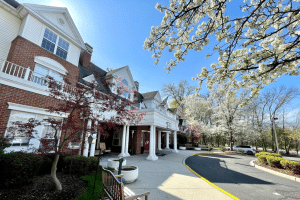
 In an industry that serves over 800,000 senior living residents across approximately 30,600 communities in the United States, Juniper Communities is setting a new standard for environmental responsibility with its Green Canopy Initiative. In a market segment often overlooked for sustainability, Juniper is redefining expectations by integrating eco-friendly practices into senior living.
Since the construction of its first senior living community to LEED specifications in 2001, Juniper has been dedicated to sustainability. This commitment, formalized under the Green Canopy Initiative, reflects the company’s ethos of “doing well by doing good.” The initiative is a blueprint for how senior living can thrive while minimizing its environmental impact.
Reducing Single-Use Plastic Waste
Juniper, a leading senior living provider, has launched a comprehensive initiative to reduce single-use plastic waste across its operations. Spearheaded by COO Don Breneman, the company has identified key areas for improvement, particularly in medication administration, where an estimated 8 million single-use plastic items such as soufflé cups, plastic cups, spoons and straws are discarded daily in senior living facilities nationwide. Juniper’s strategy includes replacing plastic items with paper alternatives and introducing reusable stainless-steel utensils in medication dispensing. The company has also tackled increased plastic usage in dining services, exacerbated by COVID-19 room delivery protocols, by implementing cardboard and paper alternatives where possible.
Additionally, Juniper has reimagined its activities and programming to reduce plastic waste, such as replacing disposable cups with resident “mug clubs” (instead of plastic cups) and finding alternatives to plastic decorations where possible. Central to the success of these initiatives is a comprehensive education and engagement campaign, involving team members, residents, and family members. Juniper created “green zones” where residents can recycle their personal items as well. Through these targeted efforts across multiple departments, Juniper demonstrates a holistic approach to environmental sustainability in senior living, setting a new standard for the industry in reducing single-use plastic waste while maintaining high-quality care and services.
Tackling Food Waste
Beyond plastic waste, Juniper has turned its attention to the critical issue of food waste. Recognizing that food waste constitutes 22 percent of municipal solid waste in U.S. landfills, with senior living facilities contributing an estimated 700,000 pounds daily, Juniper has implemented a multi-faceted approach. This includes educational campaigns on portion sizes, installation of composting bins, sourcing local food, and reducing vendor deliveries where feasible. A significant part of this effort involves educating residents about the impact of food waste and helping them make more deliberate choices about their meals to help minimize unwanted food production. Breneman emphasizes the importance of “key messaging, impact education, mission collaboration, and feedback on results” to ensure that sustainability becomes a community-wide effort, engaging residents, associates, and vendors alike.
Aiming for Zero Waste by 2025
Juniper has set an ambitious target for becoming the first zero-waste senior living community by 2025. The company’s goals include eliminating single-use plastics, establishing branded recycling stations, and reducing energy consumption through measures such as computer power management and motion sensor-controlled lighting. Additional efforts include composting, maintaining community gardens, and using paper containers for in-room dining.
Energy Efficiency and Water Conservation
Juniper’s Green Canopy Initiative also emphasizes energy efficiency, installing Energy Star appliances and transitioning to LED lighting, which has had a positive environmental impact. Additionally, water conservation is a key component, with the installation of low-flow faucets and showerheads cutting water use by 50%, all while ensuring residents’ comfort. This also has been expanded into landscaping practices as well in planning out replacement of materials with low water use plants shrubs and other materials whenever possible.
Green Building Practices
Another pillar of Juniper’s sustainability strategy is green building. The company incorporates U.S. Green Building Council standards, focusing on natural lighting, energy-efficient windows, and water management systems. These green features not only benefit the environment but also enhance residents’ quality of life by improving comfort and overall health. Don notes part of Juniper acquisition strategy has been focused on climate-risk reduction factors for potential sites including geo-thermal, solar or sustainable construction practices/features. This can be particularly inviting for investment partners seeking to both maximize value and overall environmental impact in collaboration for future sustainable enhancements.
Technology and Paper Reduction
Paper usage remains high in senior living facilities, especially for activities programming. This trend stems from the preferences of residents accustomed to getting daily information from newspapers and periodicals. Consequently, these facilities frequently print multiple schedules and announcements, often more than once daily. This practice is not only expensive in terms of paper, ink, and printer cartridges, but also contributes to unnecessary landfill waste.
Juniper has taken a proactive approach to tackle this issue by embracing digital solutions. They’ve installed digital displays and Alexa devices to inform residents about activities, meals, and entertainment. For instances where paper is still necessary, Juniper has partnered with a managed print company to monitor usage and identify high-volume activities. This multi-faceted strategy has yielded impressive results. Breneman reports that ongoing training of team members regarding essential printing use has supported Juniper to cut paper printing by over 850,000 pages in just six months, significantly reducing their environmental impact and operational costs.
A Community Commitment
Juniper understands that physical infrastructure is just one piece of the puzzle. The Green Canopy Initiative’s success hinges on education and collaboration. Associates play a crucial role by teaching and demonstrating sustainable practices, which engages residents and cultivates a community-wide dedication to environmental stewardship. This approach has expanded to include partnerships with local sustainability experts, such as parks departments and ecological conservation groups. Breneman notes these collaborations facilitate educational programs on topics directly affecting regional ecosystems, further strengthening the initiative’s impact.
Leading the Future of Sustainable Senior Living
As demand for eco-friendly senior living options continues to grow, Juniper’s Green Canopy Initiative stands as a model for integrating sustainability into senior care. Through innovative practices, education, and a genuine commitment to environmental stewardship, Juniper is leading the way in nurturing both its residents and the planet.
By setting the standard for sustainable senior living, Juniper Communities is showing that it’s possible to create a high-quality care environment that supports both older adults and a greener future. As residents and their families increasingly prioritize sustainability in choosing senior living options, initiatives like Green Canopy become not just ethical imperatives but key competitive advantages.
Lynne Katzmann, Chief Executive Officer and Founder of Juniper Communities, emphasizes the importance of this initiative: “Our guiding principle is nurturing the spirit of life. We want our communities to provide the best possible environment for our residents while making the larger communities we serve healthier places to live.” This vision aligns well with the growing demand from older adults and their families for eco-friendly living options that do not compromise on quality of care.