
A central theme of the 2026 Massachusetts Assisted Living Association Annual Conference was how public policy increasingly moves across state lines. The event featured a panel of Massachusetts industry leaders on the intersection of state and national public policy, exploring how proposals involving transparency, staffing mandates, consumer protections, reimbursement, liability, and regulation often begin in one state before appearing elsewhere.
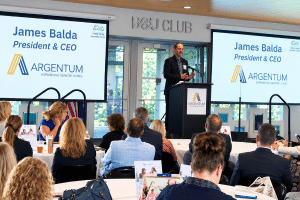 Argentum president and CEO James Balda joined the event to discuss emerging policy trends, workforce challenges, housing issues, and the growing importance of coordinated advocacy. As assisted living continues to attract greater attention from policymakers and consumer advocates, the session emphasized the need for providers, state associations, and national organizations to work together to identify emerging trends and engage early in the policy process. Massachusetts served as a useful example of how collaboration can be effective, notably an ongoing partnership between Mass-ALA and Argentum on issues ranging from federal advocacy to state-level proposals affecting senior living providers.
A recurring theme throughout the discussion was that assisted living remains a residential model distinct from institutional health care settings. As policymakers consider new requirements and oversight proposals, industry leaders stressed the importance of regulations that improve outcomes without limiting flexibility or reducing access.
The panel concluded with a call for providers to remain engaged, share their stories, and build relationships with policymakers. Senior living communities remain the most credible voices on how policies affect residents, families, and caregivers.