
 As America’s population ages, the need for coordinated, long-term planning isn’t a “nice-to-have”; it’s becoming a baseline requirement for states and communities that want seniors and people with disabilities to live safely, independently, and with dignity. That’s why the Empire State Association of Assisted Living (ESAAL) is welcoming new federal attention on strategic aging planning.
“As New York’s largest association representing Assisted living providers, the Empire State Association of Assisted Living (ESAAL) welcomes Senator Gillibrand’s interest in dedicating time and resources to planning for the long-term care needs of an ever-growing aging population,” commented Lisa Newcomb, Executive Director, ESAAL.
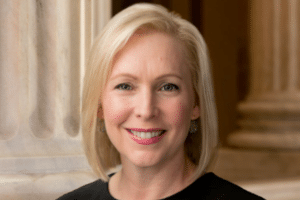
ESAAL’s statement comes as Sen. Kirsten Gillibrand and colleagues reintroduced the Strategic Plan for Aging Act in the 119th Congress, proposing a grant program that would help states, territories, and tribal governments develop and implement Multisector Plans for Aging and Aging with a Disability.
What the Strategic Plan for Aging Act Would Do
At its core, the Strategic Plan for Aging Act would amend the Older Americans Act of 1965 to create a new federal grant program administered through the Administration for Community Living/Assistant Secretary for Aging.
The goal is to help jurisdictions build comprehensive, coordinated “roadmaps” that align the many systems older adults rely on, not only health care, but also housing, transportation, and consumer protections, into a plan that can actually be implemented and measured. Specifically, the Strategic Plan for Aging Act would:
- Support Development of Strategic Aging Plans
The Act would provide federal grants to states, territories, and tribal organizations to create or continue developing Multisector Plans for Aging. These plans are intended to guide policymaking and service delivery across sectors affecting older adults. Grant recipients must finalize and begin implementing their strategic plans within two years of receiving funding, and the plans should span a 10-year planning period.
- Promote Cross-Sector Collaboration
Plans funded under the Act must encourage collaboration among government agencies, nonprofit organizations, and private sector partners. The goal is to coordinate responses to major aspects of aging, including health care, housing, transportation, consumer protection, employment, and income security, in a way that improves outcomes across communities.
- Provide Resources for Implementation and Evaluation
Beyond planning, the Act would give awardees resources to help coordinate, implement, and assess their strategic plans. This support is aimed at strengthening state and local systems to better serve older adults, including those with disabilities.
- Grant Funding Structure
Over a five-year period, the Department of Health and Human Services (HHS) could award up to 65 grants, each potentially worth up to $500,000, depending on the size and needs of the applicant jurisdiction.
Why This Matters to Assisted Living Providers
Assisted living communities sit at the intersection of many pressures: resident acuity trends, workforce shortages, Medicaid policy, caregiver supports, housing affordability, transportation access, and the growing demand for dementia-capable services. A state-level “master plan” approach can help align those moving parts so providers aren’t left navigating disconnected systems.
From ESAAL’s perspective, strategic planning at the state level can strengthen:
- Workforce pipelines (recruitment, retention, training partnerships)
- Housing and service alignment so older adults can access the right level of support at the right time
- Cross-agency coordination that reduces administrative friction and improves continuity for residents and families
- Long-term sustainability for services as demographic demand rises
In other words, the Act’s emphasis on long-range, cross-sector planning mirrors what assisted living operators manage daily, but on a statewide scale.
Where the Bill Stands Right Now
As of December 22, 2025, the Strategic Plan for Aging Act has been introduced in the U.S. Senate as S.3337 (119th Congress) and referred to the Senate Health, Education, Labor, and Pensions (HELP) Committee. It has not yet advanced beyond introduction. An earlier version was introduced in the 118th Congress as S.3827 (introduced February 28, 2024). Even though the Act has been introduced in Congress, it would need to be passed by both chambers and signed into law to take effect.
Stay Engaged
To stay engaged on federal priorities that shape the future of aging services, including strategic planning initiatives like the Strategic Plan for Aging Act, join fellow senior living leaders at the Argentum Public Policy Fly-in in Washington, DC. The Fly-in is a timely opportunity to connect with policymakers, share the real-world impact of senior living in your community, and help advance practical solutions for older adults, families, and caregivers.