
At a pivotal moment for the senior living industry, Argentum has unveiled new insights into what residents, their loved ones, and caregivers truly want from their healthcare experience. In partnership with Curana Health and Activated Insights, the association conducted a nationwide survey that informs a comprehensive new report: Value-Based Care: Delivering What Matters Most to Senior Living Residents.
These findings were first introduced in a featured session at the 2025 Senior Living Executive Conference: What Do Seniors Really Want? Insights on What Matters Most in Their Healthcare Experience, held Tuesday, May 20. The session brought clarity to a question that has lingered as the healthcare landscape continues to evolve: Is value-based care truly aligned with the needs of the seniors it’s meant to serve?
The answer, according to this research, is a resounding yes—and the implications for senior living communities are transformative.
Listening to Those Who Matter Most
 The survey gathered responses from more than 250 individuals across the United States—including seniors living in assisted living and memory care communities, their loved ones, and family caregivers. These firsthand accounts provide a direct window into what residents value most in their care.
Respondents ranged from independent older adults to those requiring support with multiple activities of daily living. A majority (62%) resided in assisted living, while 26% lived in memory care. Their insights were not theoretical—they reflect real, lived experiences and expectations.
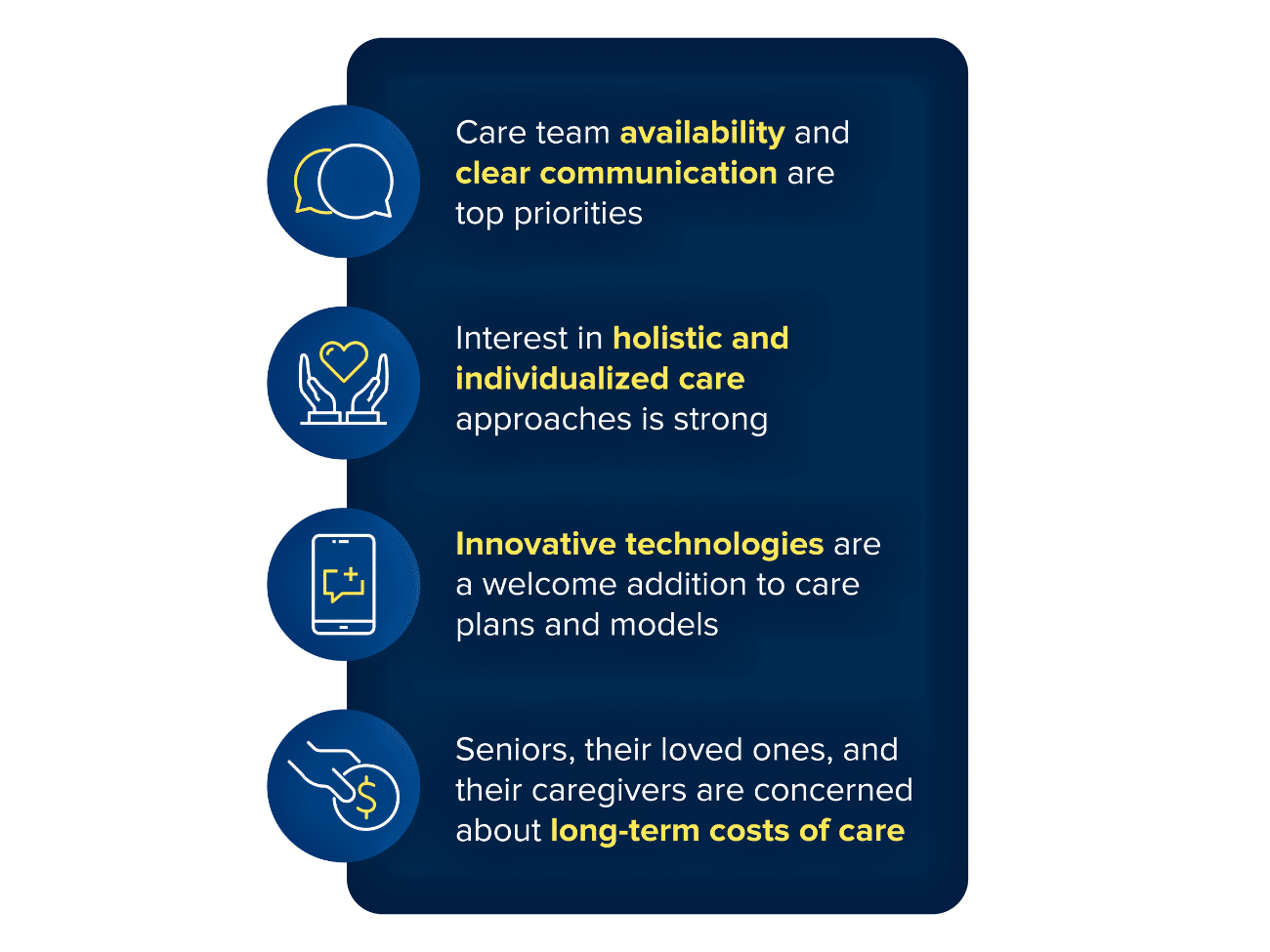
The results crystalized into four powerful takeaways:
Takeaway 1: Care Team Availability and Clear Communication Are Top Priorities
Across every respondent group, one priority rose to the top: access. Nearly half (47%) of participants cited 24/7 access to a care team as the most valuable healthcare service a senior living community could offer. An additional 23% highlighted the importance of wellness checks between appointments.
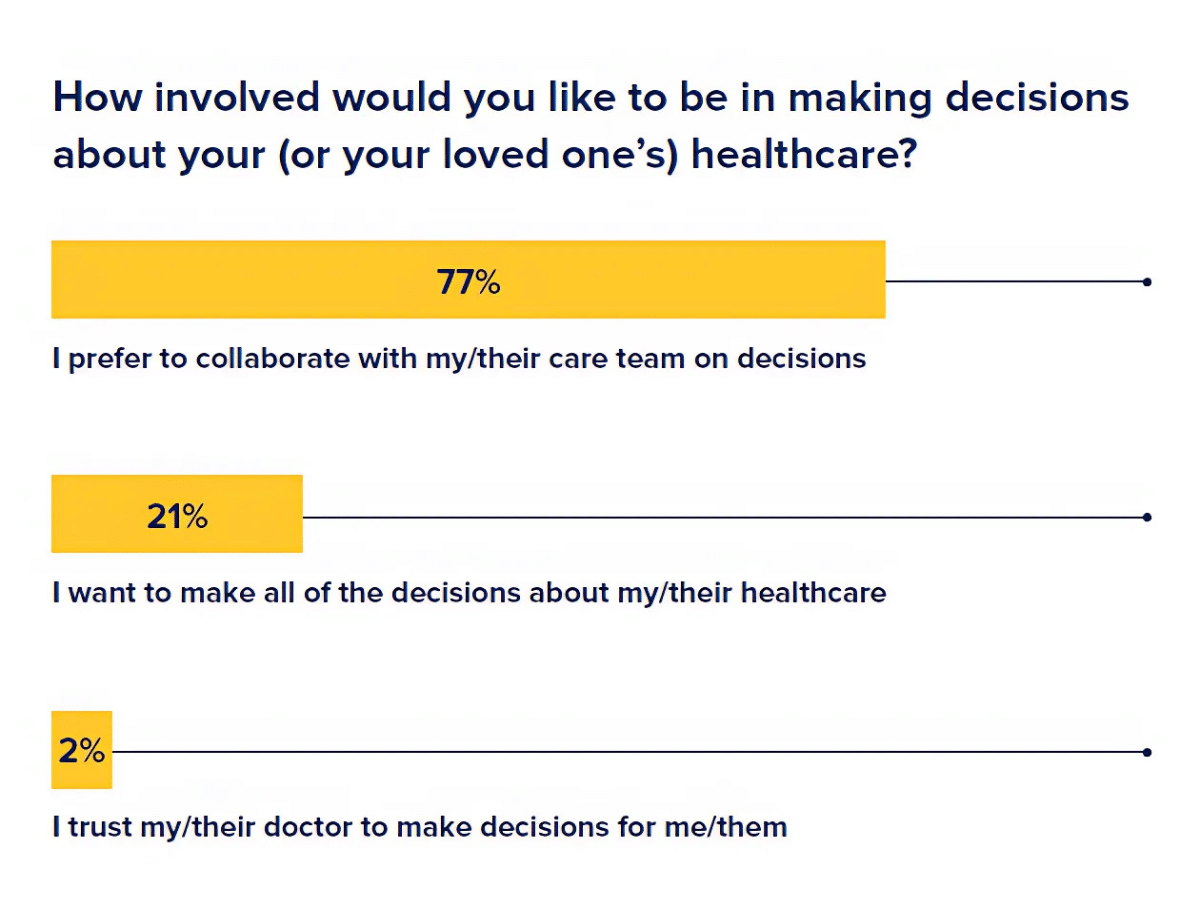 Just as significant was the overwhelming preference for collaborative decision-making—77% of respondents said they prefer to work with care teams to make healthcare choices, rather than defer entirely or go it alone. When asked what they valued most in a primary care provider, “clear communication and explanations” topped the list.
These expectations are more than preferences—they are mandates for the future of care. Residents and families want relationships with providers who are present, communicative, and available. Value-based care, by emphasizing outcomes over volume and integrating team-based, person-centered models, is designed to meet this demand.
Takeaway 2: Interest in Holistic and Individualized Care Approaches Is Strong
Seniors and their support networks are calling for care that goes beyond clinical treatment to reflect the whole person. Survey respondents indicated strong interest in on-site services such as dental care (49%), mental health support (36%), podiatry (32%), and audiology (29%).
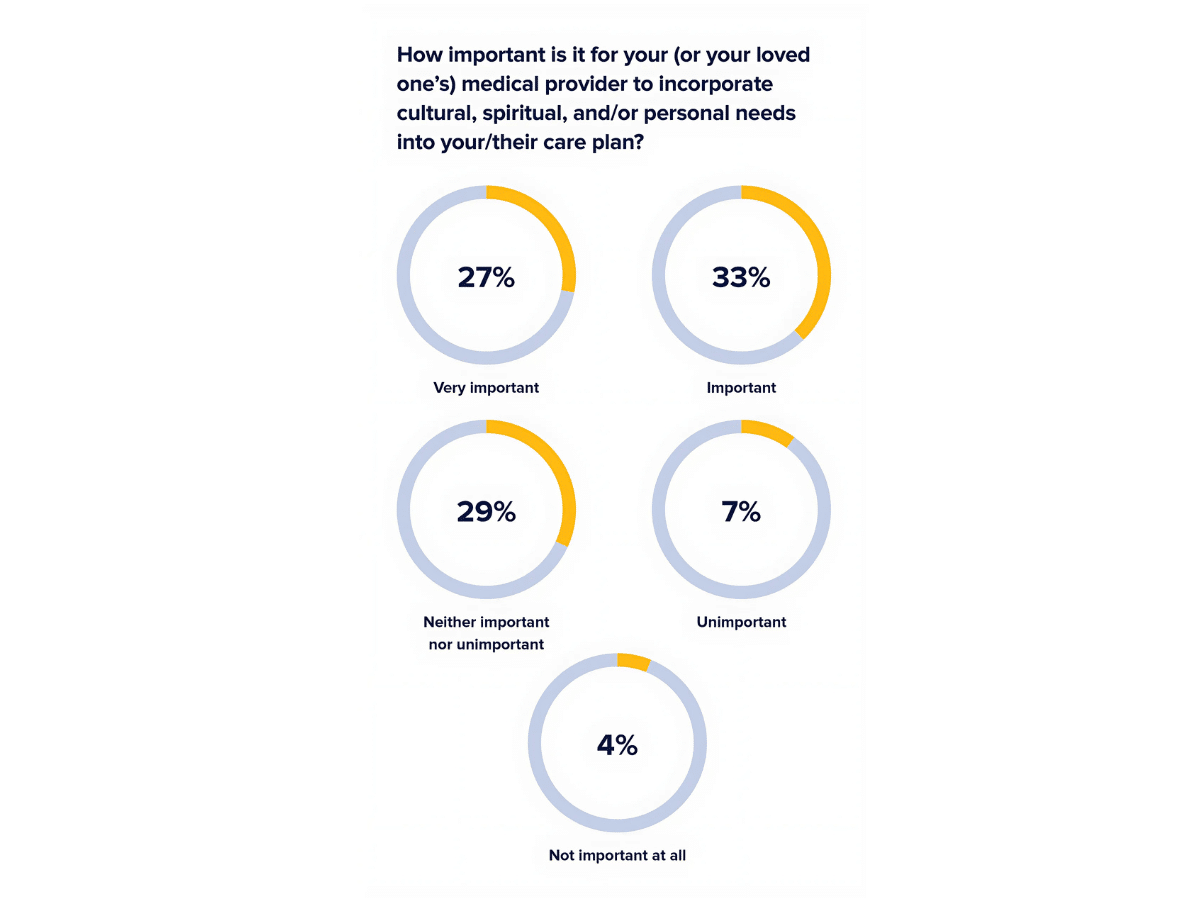
Moreover, 60% of those surveyed said it was important or very important for medical providers to incorporate cultural, spiritual, and personal preferences into care plans. This speaks to a broader desire for dignity in healthcare—not just quality service, but individualized support that affirms identity and values.
The move toward holistic care isn’t theoretical—it’s operational. Models like Advanced Primary Care Management and the new CMS GUIDE Model (launching in July 2025) are designed to bring personalized, whole-person support into senior living settings. Both prioritize proactive check-ins, care planning tailored to individual needs, and resources for caregivers.
Takeaway 3: Innovative Technologies Are a Welcome Addition to Care Plans and Models
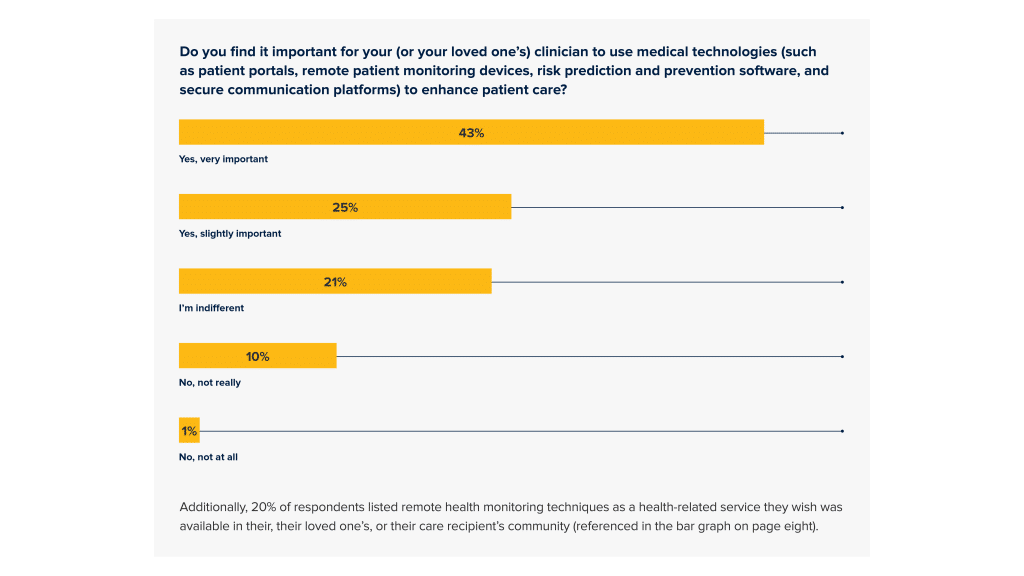
Contrary to outdated assumptions, today’s seniors are not resistant to innovation. In fact, they embrace it when it enhances care. When asked about the importance of using medical technologies—such as patient portals, remote monitoring devices, and secure communication tools—68% of respondents said it was either very or slightly important.
These technologies offer more than convenience. When integrated into value-based care models, they enable real-time health tracking, predict risks before they escalate, and allow for faster interventions—all of which contribute to better outcomes and reduced hospitalizations.
Importantly, this approach helps support residents’ desire to age in place safely and comfortably, while also giving families peace of mind that their loved ones are being actively monitored and cared for.
Takeaway 4: Seniors, Their Loved Ones, and Caregivers Are Concerned About Long-Term Costs of Care
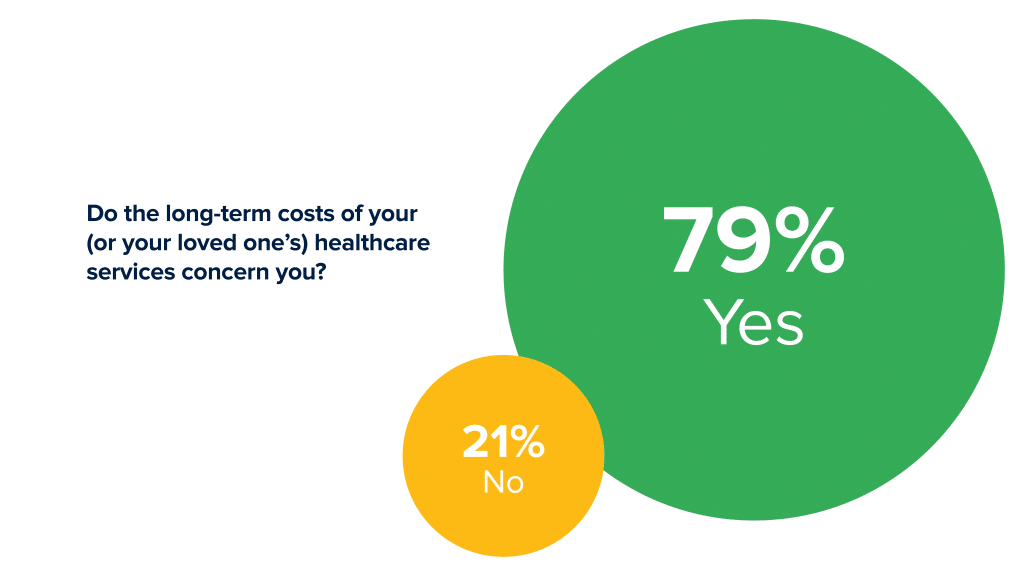
Perhaps the most sobering insight from the survey was the level of concern about the cost of healthcare. Nearly 80% of respondents expressed worry over the long-term affordability of services, with the greatest anxiety centered on emergency care costs and unexpected out-of-network bills.
Here again, value-based care offers a solution. By focusing on prevention, chronic condition management, and integrated services, these models reduce dependence on high-cost emergency services and help manage expenses more effectively.
Curana Health’s Medicare Advantage Special Needs Plans (SNPs), for example, offer benefits not covered by Original Medicare—such as dental, hearing, transportation, and over-the-counter medication—often with low or no copays. These plans support not just residents, but also communities, by aligning payment incentives with outcomes and reducing unnecessary service utilization.
Partners in Progress: Curana Health and Activated Insights
This work would not have been possible without the leadership and innovation of two key partners: Curana Health and Activated Insights.
 Curana Health is at the forefront of delivering value-based solutions tailored to senior living. Its integrated care model includes on-site primary, secondary, urgent, and behavioral health services. Through its physician-directed care teams and 24/7 coverage, Curana is already answering the call for more accessible, coordinated, and resident-focused care.
 Activated Insights, Argentum’s survey administrator, is a respected voice in data collection and analysis for the senior care industry. Their expertise ensures that the voices of seniors, caregivers, and families are translated into actionable, evidence-based strategies that providers can trust.
Together, these partners help ensure that the shift toward value-based care is not only well-intentioned—but also deeply informed by those it’s meant to serve.
A Roadmap for the Future of Senior Living
As hospitality and healthcare continue to converge, this report offers more than just insight—it offers a clear blueprint. Seniors and their loved ones are no longer satisfied with care that is reactive, fragmented, or impersonal. They are asking for more: more access, more personalization, more innovation, and more value.
For senior living operators, aligning with these expectations is no longer optional. It is essential—for resident satisfaction, staff engagement, and long-term success. Value-based care delivers on these priorities, and providers who embrace its principles now will be best positioned to lead the industry into its next chapter.
Access the full report: Value-Based Care: Delivering What Matters Most to Senior Living Residents