
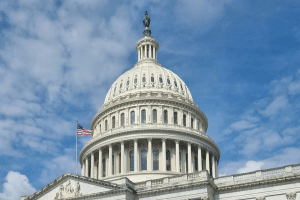
 When the federal government shuts down, it can feel unsettling. Headlines get loud, rumors fly, and it’s easy to wonder what stops, what continues, and what it means for your day-to-day life. This guide breaks it down simply, with a focus on programs and services most relevant to older adults and their families.
First things first: who’s affected?
A federal shutdown impacts federal agencies and services. It does not close state, county, or city governments. Each federal agency follows a contingency plan that designates which employees are “essential” (continue working, typically without pay until funding resumes) and which are “furloughed” (temporarily off duty). These plans also outline which operations continue.
How long could a shutdown last?
A shutdown ends when Congress passes, and the President signs, funding bills for the affected agencies. Because these bills generally require bipartisan support in the Senate, timing is uncertain. The bottom line: shutdowns can last days or weeks. Plan for minor delays; rely on official sources for updates rather than speculation.
What keeps running during a shutdown?
Many core services continue, even if some are strained:
- Social Security, SSI, Medicare, and Medicaid: Benefits continue.
- Mail delivery (USPS): Continues as normal.
- Health and safety operations: Inpatient and emergency medical care, air traffic control, federal law enforcement, border security, disaster response, and power grid operations continue, though some functions may be slower.
- Medicare/Medicaid support at HHS: Essential staff keep working.
Frequently Asked Questions
- Will I still receive my Social Security or SSI benefits?
Payments continue. The Social Security Administration (SSA) will still issue Social Security cards and hold appointments for benefit applications. Some activities—like benefit verification letters or processing overpayments—may pause, and customer service wait times can increase. - Are my Medicare or Medicaid benefits affected?
Current coverage continues. You can keep using your benefits as usual. If you have upcoming appointments or procedures, plan to keep them unless your provider advises otherwise. - What about veterans’ services?
VA medical facilities and clinics remain open, and veterans’ benefits continue to be processed. Some related services outside direct healthcare, such as certain education and job training programs, support for veteran-owned businesses, and assistance programs for homeless veterans may experience disruptions or delays. - Do military and federal retirees keep getting benefits?
Retirement benefits continue. Processing of new applications or changes may take longer. - Which federal employees keep working?
Agencies classify employees as “excepted” (continue working without pay until funding resumes) or “not excepted” (furloughed). This is determined by the agency’s contingency plan and the employee’s role in protecting life, health, and property. - What’s the impact on the U.S. military and federal law enforcement?
Active-duty service members and Guard/Reservists on active orders continue to serve. On-base non-acute healthcare may pause, but off-base care through TRICARE continues. On-base child care may stay open case-by-case. Federal law enforcement officers continue working. - Will air travel be affected?
Flights operate. Air traffic controllers, TSA officers, and CBP agents remain on the job, typically without pay during the shutdown. If staffing becomes strained, expect longer security lines and occasional delays. - Will my mail still arrive?
USPS is self-funded and not affected by a federal shutdown. - Can I visit National Parks and the Smithsonian?
It depends. Trash removal, campgrounds, and concessions in National Parks may pause, and some parks or services could close depending on local conditions. In Washington, D.C., open-air monuments often remain accessible. Smithsonian museums may be affected if a shutdown is lengthy—check each site’s status before visiting. - What about passports, visas, and help for Americans overseas?
Consular, passport, and visa services generally continue, especially at the start of a shutdown, but could slow if it persists. Access to passport agencies in certain federal buildings may be limited; verify location status before going. - How are disaster relief efforts impacted?
FEMA responds to emergencies, but long-term disaster recovery projects can be delayed when the Disaster Relief Fund isn’t replenished. - What happens with housing programs and mortgages?
FHA may pause insurance of some new mortgages. HUD may halt processing of some new loans. USDA stops new loan and loan-guarantee activity. VA continues to guarantee home loans. In a prolonged shutdown, federal housing assistance (e.g., Housing Choice Vouchers) may face funding pressure; local housing authorities will provide guidance if that occurs. - How are small businesses affected?
The SBA generally pauses new loans under programs like 7(a) and 504. The SBA Disaster Loan Program typically continues. - What about medical research?
The NIH may delay new clinical trials and pause onboarding of new patients for certain studies. Existing clinical care for current trial participants may continue; check with study coordinators. - How does a shutdown end? Can the President end it alone?
A shutdown ends when Congress passes appropriations bills for the affected agencies and the President signs them. The President cannot unilaterally end a shutdown; the standard legislative process applies.
Tips for Residents and Families
- Keep appointments unless told otherwise. Medicare, Medicaid, VA, and TRICARE services continue; call ahead if you’re unsure.
- Bring documentation. If you need SSA services (e.g., a replacement card), expect longer lines and bring required documents.
- Travel smart. Build in extra time at the airport and monitor your airline’s app for updates.
- Check before you go. For parks, museums, and passport offices, confirm hours and status on official websites or phone lines.
- Watch for scams. If anyone calls requesting payment to “protect” your benefits during a shutdown, hang up. Government agencies don’t demand payment by phone or gift cards.
- Ask your care team. If you’re in a senior living community, the staff can help interpret updates and point you to reliable resources.
Where to Find Reliable Updates
- Your benefits providers (Social Security, Medicare, Medicaid, VA, TRICARE)
- Official agency websites and hotlines
- Local news from reputable outlets
- Your senior living community’s notices and resident services team
The Bottom Line
A federal shutdown is disruptive, but your core benefits and essential services continue. Expect some slowdowns, especially for new applications, verifications, or non-urgent services. Stay with verified information, pad your timelines a bit, and reach out to community staff or your providers if you need a hand navigating specifics.