

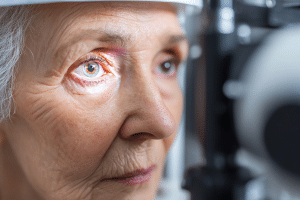
 As part of January’s Glaucoma Awareness Month, Civitas Senior Living shared extensive information and resources that focused on glaucoma and the central role that vision can play in the health of its residents. Senior Living Executive connected with Bobby Lane, Civitas’ chief wellness director, to find out why the company places a strong emphasis on managing vision challenges and how it works with residents on the critical issue, including through the design of its communities.
Q: Why does Civitas place an emphasis on glaucoma awareness? Why is it such an important issue for older adults in senior living?
A: At Civitas, we focus on glaucoma awareness because it directly impacts safety, independence, and quality of life for older adults. Glaucoma is often called the “silent thief of sight” because it can progress without symptoms until vision loss has already occurred.
In senior living, undetected or unmanaged glaucoma can increase fall risk, reduce confidence with mobility and affect engagement in daily activities. When vision declines, residents may withdraw socially, misjudge distances or struggle with medication management. By raising awareness, we help residents and families understand the importance of routine eye exams and early detection. Our goal is to protect both vision and independence.
Q: How has Civitas strengthened its education efforts around glaucoma awareness and other vision challenges?
A: We take a structured and consistent approach to education.
First, we align our monthly wellness themes with national awareness initiatives, including Glaucoma Awareness Month. This allows communities to focus on education in a coordinated way.
Second, we provide training for our wellness directors and care teams so they understand the risk factors, early signs and impact of vision loss. Education includes how vision changes affect mobility, medication safety and cognitive engagement.
We also share resident-friendly materials, discussion guides and activity ideas so that learning is accessible and engaging, not clinical or overwhelming. Education is ongoing and woven into daily care conversations.
Q: Are there any special events, programs or resident experiences focused on the issue that Civitas communities host?
A: Yes. Many of our communities host vision-focused wellness talks, invite local optometrists or ophthalmology partners for educational sessions, and incorporate vision screening opportunities when possible.
Activity teams may offer interactive experiences that simulate low vision to build empathy and awareness. We also integrate lighting demonstrations and contrast-based design discussions so residents understand how environmental changes can support them.
In addition, we use small group discussions to talk about how vision affects balance, confidence and social participation. These conversations often lead to proactive care planning.
Q: Can you explain Civitas’ focus on “intentional design” and the role that it plays in supporting residents with vision challenges?
A: Intentional design means we create environments that support aging safely and with dignity.
For residents with glaucoma or other vision challenges, this includes strong lighting, high-contrast color schemes, clear wayfinding cues and reduced visual clutter. Flooring transitions are carefully selected to avoid patterns that may appear as depth changes. Signage is large, clear and easy to read.
This design philosophy reduces fall risk, lowers anxiety and promotes confidence in navigating the community. It is not just about aesthetics. It is about function, safety and quality of life.
Q: How else does Civitas support residents who have glaucoma or other vision-related issues, whether newly identified or existing ones?
A: Support begins with assessment and continues with individualized care planning.
Our wellness teams monitor changes in mobility, balance and medication management that may signal vision decline. If concerns arise, we collaborate with families and health care providers to ensure appropriate follow-up.
We may implement environmental modifications, adaptive devices, larger print materials or enhanced lighting in resident apartments. Care teams are educated to approach residents from the front, use clear verbal cues and support safe ambulation.
We also integrate vision considerations into fall prevention strategies and care conferences to ensure alignment across disciplines.
Q: How do your efforts surrounding glaucoma connect to Civitas’ overall approach to wellness?
A: At Civitas, glaucoma awareness is part of a larger commitment to whole-person wellness. Vision health connects directly to independence, engagement and emotional well-being.
By combining education, intentional design, proactive assessment and compassionate care, we aim to help residents live confidently and safely. Our focus is not only on managing conditions, but on preserving dignity and maximizing quality of life at every stage of aging.